


Canada geese are a familiar sight across New Jersey, especially around office parks, schools, golf courses, and waterfront properties. While they may appear calm from a distance, geese can quickly become a serious nuisance when they settle on commercial properties.
Once a flock establishes itself, the result is often ongoing sanitation issues, aggressive behavior, and property damage that disrupts daily operations. Understanding how geese behave and how to manage them effectively is key to keeping your property clean, safe, and usable.
Why Geese Are Drawn to Commercial Properties
Geese are highly adaptable and tend to settle in areas that provide three key things: food, water, and open visibility.
Commercial properties often offer ideal conditions such as:
- Large open lawns for grazing
- Retention ponds or nearby water sources
- Minimal natural predators
- Consistent human activity that they become accustomed to
Once geese identify a property as safe, they often return season after season. Properties that already deal with recurring pest activity may benefit from broader pest control services to evaluate overlapping issues.

The Real Impact of a Goose Infestation
A single goose may not seem like an issue, but flocks can quickly create widespread problems for commercial properties.
Sanitation Concerns
- Large amounts of droppings on walkways and entrances
- Contamination of outdoor spaces
- Increased bacteria risks, including E. coli and salmonella
Property Damage
- Destroyed landscaping and turf
- Worn-down grass from constant grazing
- Blocked drainage areas
Safety & Liability Risks
- Slippery surfaces from droppings
- Aggressive behavior during nesting season
- Negative experience for employees, tenants, and visitors
For property managers, these issues can quickly turn into complaints, maintenance costs, and liability concerns.
Where Geese Typically Gather
Geese are predictable in where they choose to settle. Identifying these areas early can help prevent long-term problems.
Common hotspots include:
- Pond edges and waterfront areas
- Open grassy fields
- Parking lots near landscaping
- Building entrances and walkways
- Rooftops or flat commercial structures
If these areas are not managed properly, they can become permanent gathering zones. In some cases, these environments also attract other animals, making wildlife control services an important consideration.

How Commercial Geese Control Works
Geese control requires a different approach than typical bird removal. Because geese are protected under federal law, solutions must be humane and strategic.
Step 1: Site Evaluation
A full property assessment identifies:
- Flock size and behavior patterns
- Nesting and resting zones
- High-traffic problem areas
Step 2: Behavior-Based Deterrents
Rather than removal alone, control focuses on making the property less appealing.
This may include:
- Visual deterrents
- Habitat modification
- Controlled disruption of nesting patterns
Step 3: Exclusion & Property Adjustments
Long-term success depends on reducing access and comfort.
- Installing barriers near water sources
- Modifying landscaping to reduce grazing appeal
- Limiting open, uninterrupted sightlines
Step 4: Ongoing Monitoring
Geese are persistent, so continued monitoring is essential.
Many commercial properties benefit from ongoing pest control programs to maintain consistent protection and prevent re-infestation.
Commercial Geese Solutions
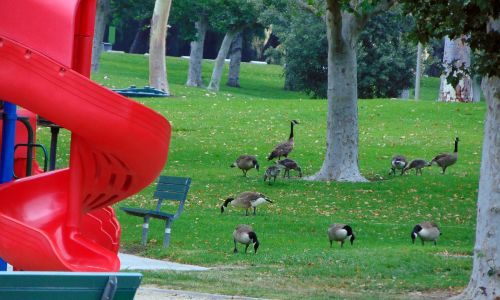
Residential Geese Solutions
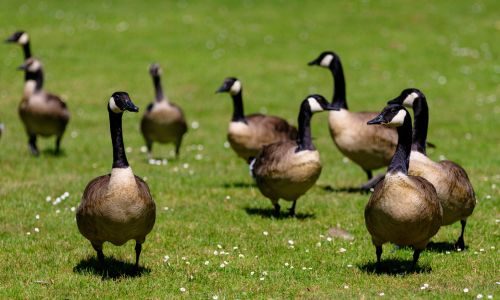
Why Quick Fixes Don’t Work for Geese
Unlike smaller pests, geese are intelligent and highly adaptable. Temporary solutions often fail because:
- Geese quickly get used to noise or visual deterrents
- They return to known safe locations
- Nesting instincts override basic deterrents
For properties dealing with multiple pest pressures, combining strategies with commercial pest control solutions often leads to better long-term outcomes.
Seasonal Considerations for Geese Control
Timing plays a major role in how geese are managed.
- Spring: Nesting season, increased aggression
- Summer: Larger flocks and heavy activity
- Fall: Migration patterns begin
- Winter: Reduced presence, planning phase for prevention
Seasonal pest behavior is important across the board, which is why many property owners also explore residential pest control services for mixed-use or multi-property management needs.
Preventing Geese from Returning
Once geese leave, keeping them away becomes the priority.
Effective prevention includes:
- Reducing food sources and accessible grass areas
- Installing deterrents near water features
- Maintaining landscaping strategically
- Monitoring seasonal activity patterns
For properties near coastal or high-traffic outdoor areas, integrating bird control services can provide additional protection against multiple species.
When to Take Action
If geese are already gathering on your property, it’s important not to wait.
You should act when:
- Droppings are becoming noticeable
- Geese are lingering daily
- Nesting behavior begins
- Complaints or safety concerns arise
Early intervention helps avoid long-term damage and recurring infestations.
To evaluate your property and create a customized plan, contact us today.
Professional Geese Control in New Jersey
Geese infestations can quickly impact the appearance, safety, and usability of your property. Addressing the issue early with a structured approach is the most effective way to maintain control.
For a customized geese management plan tailored to your property, contact us today.