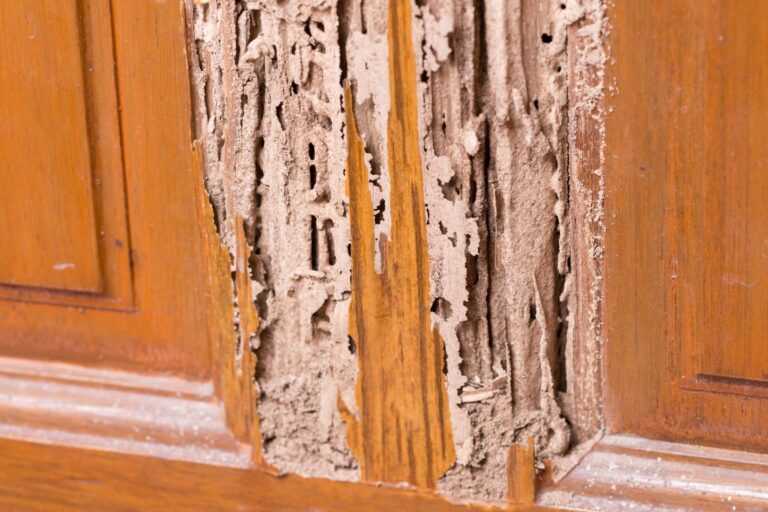


Termites are responsible for billions of dollars in property damage across the United States every year, and New Jersey homeowners are no exception. Unlike many household pests, termites don’t announce their presence. They work quietly behind walls, beneath floors, inside crawl spaces, and around foundations, often causing extensive structural damage before anyone realizes they’re there.
The good news is that termites are both treatable and preventable when caught early. Understanding how termites behave, what attracts them, how to recognize an infestation, and how professional termite control works can help you protect one of your largest investments.
If you suspect termite activity or simply want peace of mind, professional termite control can identify hidden activity, determine the appropriate treatment strategy, and help protect your property against future infestations.
Why New Jersey Homes Are Especially Vulnerable to Termites
Many homeowners assume termite infestations only happen in warm southern states, but New Jersey provides favorable conditions for the state’s most common termite threat: subterranean termites.
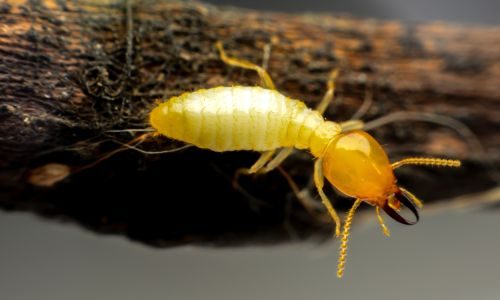
These termites spend most of their lives underground, where moist soil protects them from drying out. From there, workers forage for cellulose and build concealed tunnels that allow them to reach homes without exposing themselves to open air.
Several factors can increase termite pressure around New Jersey properties:
- Moderate temperatures that support colony activity
- Moist soil during much of the year
- Mature trees and wooded neighborhoods
- Older homes with aging structural components
- Crawl spaces and basements that retain humidity
- Wood, mulch, or other cellulose sources near the foundation
Many infestations begin outdoors long before termites are discovered inside a home. Because a mature colony can contain a large population of termites, unnoticed activity can eventually result in significant structural damage.
Homeowners looking to better understand how pests access their homes can also explore our interactive Vulnerability Map, which highlights many of the areas termites and other pests commonly exploit.
Why Termites Cause So Much Damage Before They’re Found
One of the biggest reasons termites are so destructive is that they rarely expose themselves.
Unlike ants, cockroaches, or rodents that homeowners often see moving around, subterranean termites spend nearly their entire lives inside wood, beneath the soil, or within protected mud tubes. Their survival depends on maintaining the moisture they need and avoiding prolonged exposure to dry air.
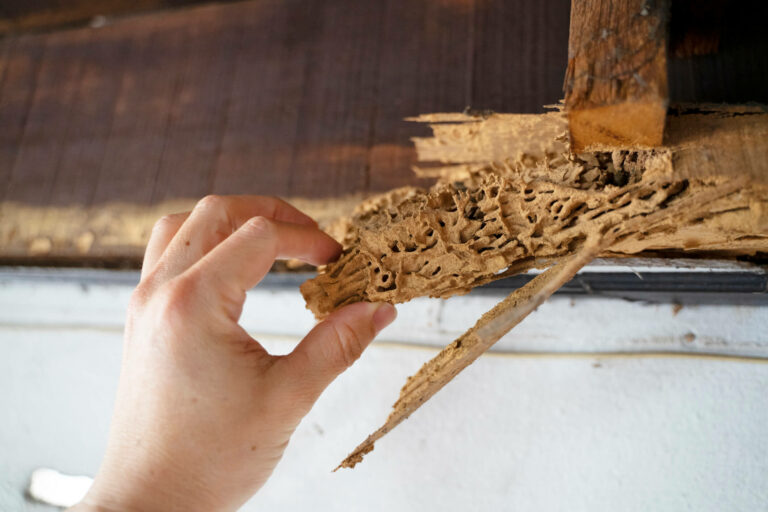
Instead of eating wood from the outside, termites can consume it internally.
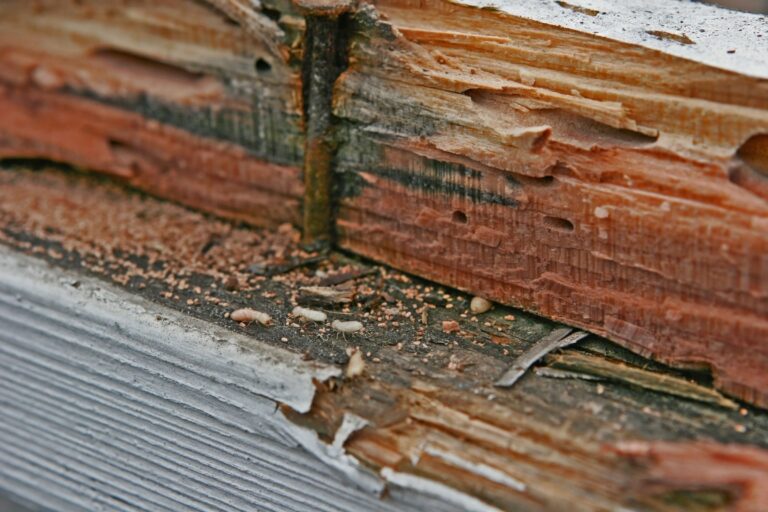
A floor joist may appear solid from the outside while galleries have developed within the wood. Walls can remain intact even as termites feed on framing behind them. By the time visible damage appears, termite activity may have been occurring for a considerable amount of time.
This hidden behavior is exactly why professional termite inspections are so valuable. An inspection can reveal warning signs and conducive conditions before homeowners recognize a larger structural problem.
How Can You Tell If You Have Termites?
Because termites remain hidden, homeowners often discover evidence of their activity before seeing worker termites themselves. Learning to recognize the warning signs can help you act before an infestation causes additional damage.
Mud Tubes Along Your Foundation
One of the most recognizable signs of subterranean termites is the appearance of narrow mud tubes running along foundation walls, crawl spaces, piers, or concrete supports.
These tubes aren’t random.
Subterranean termites build them because their bodies can lose moisture when exposed to open air. The tubes act as protected passageways that allow workers to travel between the soil and a food source.
If you notice mud tubes around your home, don’t assume that simply scraping them away solves the problem. Removing the tube does not address the termite colony or determine where else activity may be occurring.
Wood That Sounds Hollow
Termites can consume portions of wood internally while leaving the outer surface relatively intact.
As a result, damaged wood may appear normal until you tap it and notice that it sounds hollow or feels unusually soft.
You may also observe:
- Sagging floors
- Bubbling or unusual surface changes
- Trim that breaks apart easily
- Wood that appears blistered or weakened
These symptoms can have causes other than termites, so suspicious wood should be professionally evaluated rather than treated as proof of an infestation.
Discarded Wings Near Windows or Doors
During swarming season, mature termite colonies produce winged reproductive termites called swarmers.
Their purpose is to leave an established colony, mate, and attempt to establish new colonies.
After a short flight, swarmers shed their wings, which homeowners may find on windowsills, near doors, in garages, or around light sources.
Finding discarded wings outdoors doesn’t necessarily mean termites are actively feeding inside your home. Finding swarmers or piles of wings indoors is more concerning and should prompt a professional evaluation.
Doors and Windows Suddenly Become Difficult to Open
Changes in wood caused by moisture or structural deterioration can sometimes make doors and windows unexpectedly difficult to open or close.
Termite activity is one possible cause, but sticking doors alone do not confirm an infestation. When this symptom appears alongside mud tubes, swarmers, hollow wood, or other termite warning signs, it’s worth investigating further.
Commercial Termite Solutions
Residential Termite Solutions
How Professional Termite Control Actually Works
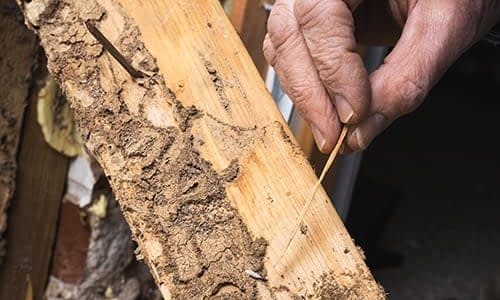
One of the most common misconceptions homeowners have is that termite treatment simply involves spraying chemicals around the foundation.
In reality, professional termite control is a carefully planned process based on termite biology, the construction of the property, the location of activity, environmental conditions, and the extent of the infestation.
The objective isn’t simply to kill individual termites. Effective termite management is designed to address the colony and protect the structure against continued or future activity.
Step 1: A Comprehensive Property Inspection
Every effective termite control strategy begins with understanding the property.
Technicians evaluate the interior and exterior for:
- Active termite activity
- Mud tubes
- Damaged or suspicious wood
- Excess moisture
- Structural vulnerabilities
- Areas where wood contacts soil
- Evidence of previous termite activity or treatment
- Conditions that may encourage future infestations
Rather than focusing only on visible damage, inspectors work to understand where termites may be entering, what conditions are supporting them, and which areas require closer attention.
Step 2: Identifying the Right Treatment Strategy
No two termite infestations or properties are exactly alike.
The treatment strategy may depend on:
- Location and extent of termite activity
- Construction type
- Soil conditions
- Previous termite treatments
- Moisture conditions
- Accessibility of affected areas
- Long-term prevention goals
Professional termite management may include a termite baiting system, liquid termiticide treatment, or another targeted strategy based on the property.
Baiting and liquid treatments work differently. Liquid termiticides create treated areas that termites encounter as they move through the soil. Baiting systems use termite foraging and food-sharing behavior to distribute an active ingredient through the colony.
Horizon also offers the Sentricon® Termite Baiting System, which can be used for active subterranean termite infestations as well as ongoing preventative protection.
Homeowners who already have confirmed termite activity can learn more about what happens next in our complete guide to termite removal.
Step 3: Monitoring and Long-Term Protection
Many homeowners assume termite control ends once the original infestation has been treated.
Long-term protection matters because eliminating one termite colony does not remove termites from the surrounding environment. Subterranean termite colonies occur naturally throughout New Jersey, and another colony may eventually forage near the property.
Depending on the treatment and protection plan, professional monitoring can help identify renewed activity and ensure termite protection remains in place.
Why DIY Termite Treatments Often Miss the Larger Problem
It’s understandable why homeowners reach for do-it-yourself termite treatments. Hardware stores sell sprays, foams, stakes, and other products designed for termite problems.
The difficulty is that the termites you can see may represent only a small portion of the activity.
Subterranean termite colonies remain largely hidden underground, with workers traveling between the colony and available food sources. Killing termites in one visible area doesn’t necessarily reveal the extent of the infestation or eliminate the colony responsible for it.
DIY approaches can fall short because they may:
- Address visible termites without identifying the larger colony
- Miss concealed areas of activity
- Leave structural vulnerabilities or moisture problems unaddressed
- Delay a complete inspection while feeding continues elsewhere
Professional termite control looks at the entire problem, including termite activity, potential access points, conducive conditions, and the treatment strategy appropriate for the property.
What Attracts Termites to a Home?
Termite infestations aren’t necessarily a sign that a home is poorly maintained. Subterranean termites naturally forage through soil looking for cellulose, and any structure containing accessible wood can potentially become a food source.
Certain conditions, however, can make termite activity around a property more likely.
Excess Moisture
Subterranean termites depend on moisture. Leaking gutters, poor drainage, plumbing leaks, and damp crawl spaces can create favorable conditions around a structure.
Wood-to-Soil Contact
Deck posts, siding, fencing, or structural wood that directly touches soil can give termites easier access to cellulose while allowing them to remain concealed.
Firewood and Wood Debris
Firewood, buried lumber, dead tree stumps, and other wood near the foundation provide additional cellulose sources that termites can exploit.
Foundation and Structural Access
Cracks, construction joints, utility penetrations, and other small openings can provide concealed routes into a structure.
Reducing these conditions cannot eliminate an established termite colony, but it can make a property less conducive to termite activity and support a broader prevention strategy.
How to Help Prevent Termites Around Your Property
No preventative strategy can guarantee that termites will never reach a property. Good maintenance can, however, reduce conducive conditions and make termite activity easier to detect.
Homeowners can help by:
- Keeping mulch from accumulating heavily against the foundation
- Repairing leaking plumbing, downspouts, and irrigation systems
- Directing water away from the foundation
- Storing firewood away from the house
- Removing dead tree stumps and unnecessary wood debris
- Reducing wood-to-soil contact where possible
- Addressing persistent crawl space moisture
- Scheduling professional termite inspections when appropriate
Many of these maintenance practices also help discourage other household pests. Homeowners looking for broader protection can explore Horizon’s residential pest control services.
When Should You Schedule a Termite Inspection?
Termite inspections aren’t only for homes where obvious damage has already appeared. In many cases, their greatest value comes from discovering activity before a homeowner knows there is a problem.
Consider scheduling a professional inspection if:
- You’re buying or selling a home
- Your property has experienced termites before
- You notice mud tubes, discarded wings, swarmers, or suspicious wood
- Your home has persistent moisture or drainage problems
- You live on or near a wooded property
- Existing termite protection requires professional monitoring
- You are concerned about termite activity but cannot locate the source
Our guide to professional termite inspections explains in greater detail what technicians look for and what homeowners can expect during an evaluation.
Termite Control for New Jersey Homes and Businesses
Termites aren’t exclusively a residential problem. Commercial buildings, multi-unit properties, offices, warehouses, retail spaces, and other structures can also experience subterranean termite activity.
For homeowners, termite control helps protect structural components and long-term property value. For commercial property owners and managers, early identification can also reduce the potential for expensive repairs and disruption.
The same principle applies in both settings: identify termite activity early, understand why it is occurring, select the appropriate treatment, and maintain protection against future infestations.
Protect Your Property with Professional Termite Control
Termites can remain hidden while continuing to feed, which makes early detection one of the most important parts of protecting a property.
Horizon Pest Control provides termite solutions for New Jersey homes and businesses, from identifying early warning signs and conducting professional inspections to developing treatment and long-term protection strategies.
If you’re concerned about termite activity or want a professional evaluation before a problem develops, contact Horizon Pest Control to schedule a termite inspection.