

Rodents are one of the most common and damaging pest problems for homes and businesses throughout New Jersey. From mice and rats inside your property to moles and squirrels outdoors, these pests can spread disease, damage structures, and quickly multiply if left untreated.
Understanding how rodents behave, how they enter your property, and how they are properly removed is key to keeping your home or business protected.

Why Rodents Are a Serious Problem
Rodents are not just a nuisance. They create real risks that can impact both your health and your property.
Health Risks
- Spread bacteria through droppings and urine
- Contaminate food and surfaces
- Known to carry and transmit over 35 diseases
Some of these diseases include:
- Hantavirus
- Salmonella
- Rat-bite fever
- Tularemia
Property Damage
- Chew through wires, increasing fire risk
- Damage insulation and structural materials
- Destroy food storage and belongings
Because rodents constantly gnaw, damage can occur even when food is not the primary goal.
Common Rodents Found in New Jersey
Rodent issues can come from both inside and outside your property.
Indoor Rodents
- House mice
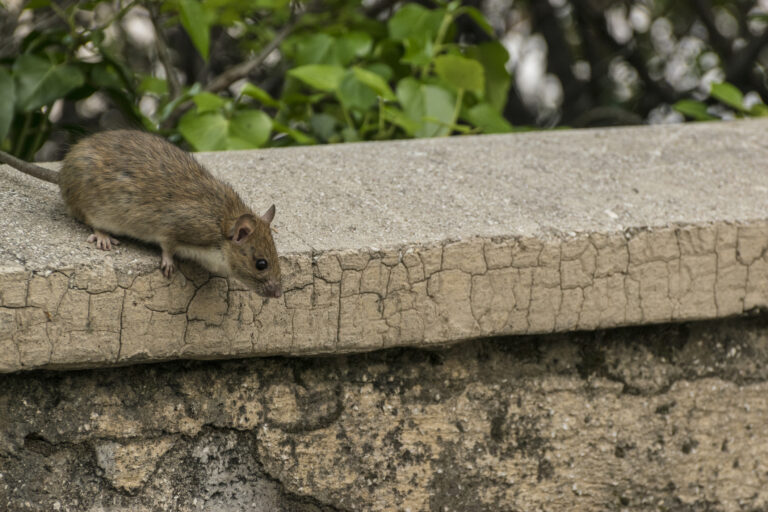
- Norway rats
- Roof rats
House mice are especially common and prefer tight, dark, and warm spaces inside walls and storage areas.
Outdoor Rodents
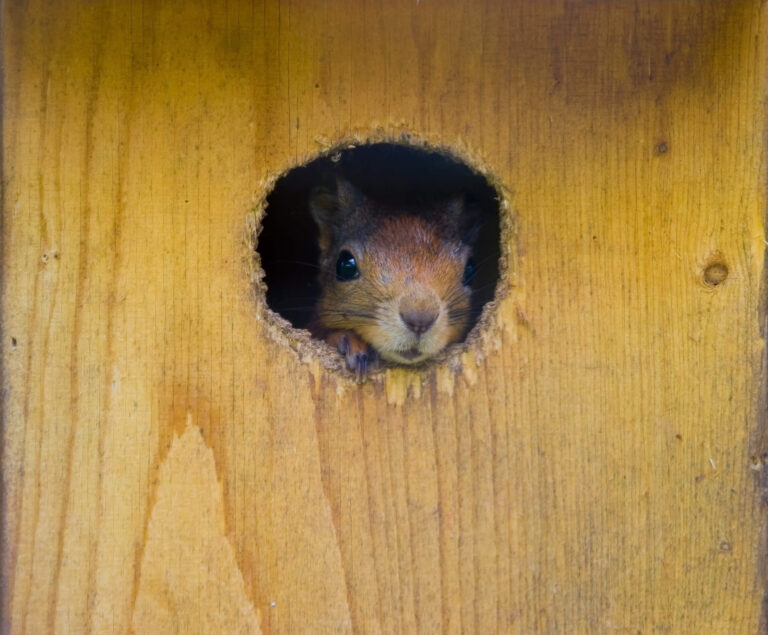
- Squirrels
- Moles
- Voles
- Gophers
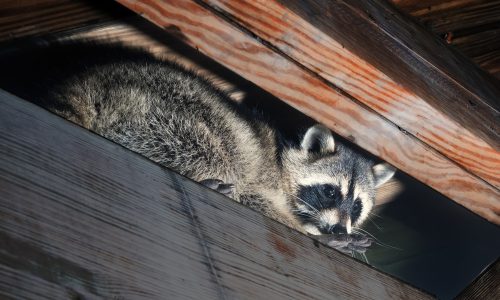
- Raccoons
These rodents can damage lawns, landscaping, and even create pathways into your home.
For broader wildlife concerns, many property owners explore wildlife control services.
Signs of a Rodent Infestation
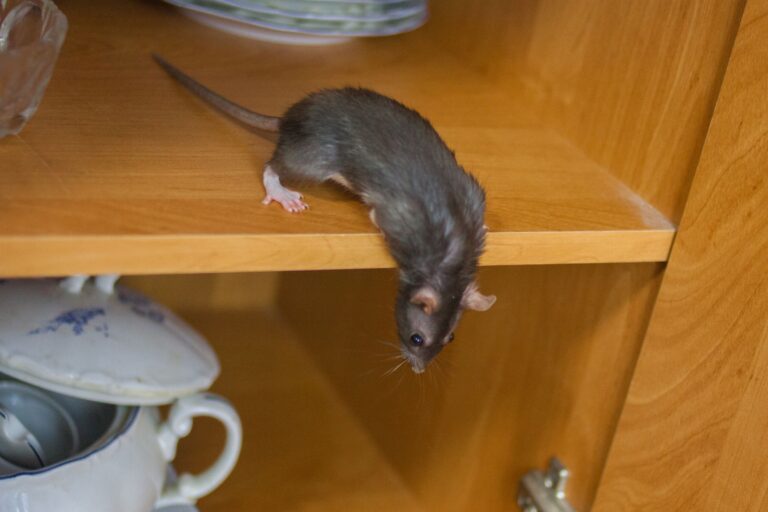
Rodents are often detected through signs rather than direct sightings.
Look for:
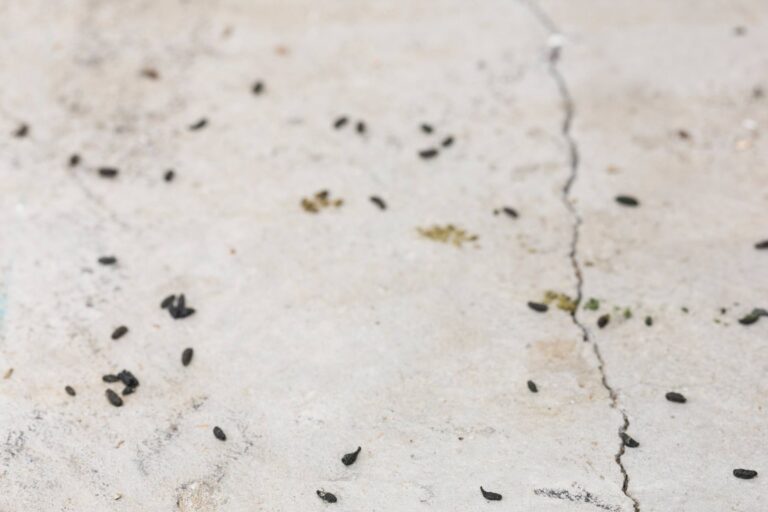
- Droppings in kitchens, basements, or storage areas
- Gnawed holes or chewed materials
- Scratching or scampering sounds in walls
- Nests made from shredded paper or debris
- Grease marks or dirt trails along walls
- Unusual pet behavior near certain areas
If any of these signs are present, there is likely active rodent activity on your property.
How Rodents Get Into Your Property
Rodents are extremely adaptable and can enter through surprisingly small openings.
Common entry points include:
- Cracks in foundations
- Gaps around doors and windows
- Utility openings
- Rooflines and vents
Once inside, they travel through walls, ceilings, and hidden areas in search of food and shelter.
Homes already dealing with multiple pest pressures may benefit from a full inspection through pest control services.
How Professional Rodent Control Works
Effective rodent control requires more than just trapping. It involves a multi-step process designed for long-term results.
Step 1: Inspection
A technician will:
- Identify entry points
- Locate nesting areas
- Assess infestation severity
Step 2: Removal & Treatment
Treatment may include:
- Mechanical traps
- Baiting systems
- Monitoring activity zones
These methods are strategically placed based on rodent behavior and movement patterns.
Step 3: Exclusion (Critical Step)
Preventing future infestations is just as important as removal.
This includes:
- Sealing all entry points
- Reinforcing vulnerable areas
- Blocking access routes
Step 4: Ongoing Monitoring
Rodents are persistent, so continued monitoring is key.
Many homeowners rely on ongoing pest control programs for long-term protection.
Commercial Rodent Solutions

Residential Rodent Solutions
Indoor vs Outdoor Rodent Problems
Rodent issues can vary depending on where activity is occurring.
Inside the Home
- Food contamination
- Structural damage
- Noise and stress
For indoor infestations, solutions like mice control services and rat control services are often needed. We invite you to see those pages if you have knowledge on the specific type of rodent infestations to watch for in your home or business.
In the Yard
- Lawn and landscaping damage
- Burrowing and tunneling
- Attraction of additional wildlife
Outdoor rodent activity can often overlap with issues addressed through bird control services and other exterior pest strategies.
Why DIY Rodent Control Falls Short
DIY methods may provide temporary relief, but they often fail to solve the full problem.
Common limitations include:
- Missing hidden nesting areas
- Not addressing entry points
- Underestimating population size
- Short-term results
For long-term success, combining removal with prevention is essential. Many property owners turn to residential pest control services for ongoing protection.
Rodent Control for Homes vs Businesses
Rodent infestations impact properties differently depending on the environment.
Residential properties:
- Food contamination
- Property damage
- Health concerns
Commercial properties:
- Health code violations
- Product contamination
- Reputation damage
Businesses often require comprehensive solutions like commercial pest control.
When to Call a Professional for Rodents
You should act quickly if:
- You see a mouse or rat
- You hear scratching in walls or ceilings
- Droppings or damage are present
- DIY methods are not working
- The problem keeps returning
Rodent infestations grow quickly, so early action is key.
If you suspect rodent activity, the next step is to contact us for a full inspection.
Professional Rodent Control in New Jersey
Rodents are persistent pests that require a thorough and strategic approach to fully eliminate. Addressing the problem early helps prevent damage, reduce health risks, and protect your property long-term.
For a complete inspection and customized solution, contact us today.