

Raccoons are highly adaptable animals that have learned to live alongside people throughout New Jersey. Outdoors, seeing one pass through a yard at night may be completely normal. The problem begins when a raccoon finds food around the property or discovers that an attic, chimney, crawl space, garage, or other part of a building provides a protected place to den.
Once inside, raccoons can damage roofing materials, insulation, vents and other parts of a structure. Their droppings and urine can also contaminate areas where they have been living.
Effective raccoon control is about more than getting an animal out of the house. The complete process involves determining how the raccoon entered, whether additional animals or young are present, choosing an appropriate control method, and addressing vulnerable openings that could allow wildlife back inside.
Horizon Pest Control provides wildlife control services for homes and businesses throughout New Jersey, including inspection, raccoon control and wildlife exclusion.
Why Do Raccoons Enter Homes?
Raccoons enter buildings because human properties can provide the same basic resources they seek in the wild: food, water and protected shelter.
Garbage, pet food, bird feeders and other accessible food sources can encourage raccoons to spend more time around a property. Once nearby, an animal may investigate the building itself for shelter.
Attics can be especially attractive because they are elevated, relatively quiet and protected from weather and predators. A raccoon does not necessarily need a wide-open hole to get inside. Weak or damaged portions of a roofline can sometimes be pulled apart or enlarged.
This is why simply removing outdoor food sources may reduce attraction but may not solve an established raccoon problem. Once an animal is using the structure as a den, the building itself has become part of the problem.
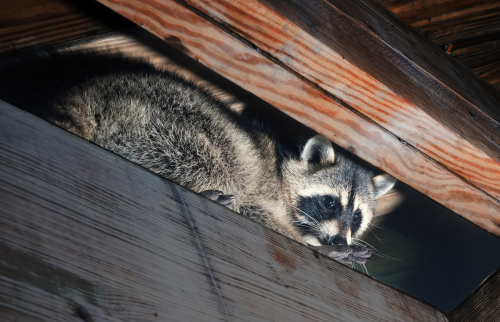
How Do Raccoons Get Into Attics and Houses?
Raccoons are strong climbers and capable of exploiting weaknesses around roofs and exterior structures.
Common raccoon entry areas can include:
- Damaged or deteriorated soffits
- Loose fascia and roof edges
- Roof and attic vents
- Unprotected chimneys
- Damaged roofing
- Openings around additions or structural transitions
- Crawl-space openings
- Areas already weakened by weather, age or previous wildlife activity
A raccoon may also enlarge a vulnerable opening rather than simply slipping through an existing hole.
Branches, fences, decks and nearby structures can make portions of the roof easier to reach, but trimming a branch alone will not resolve an existing entry point.
If you are unsure where wildlife could be entering, Horizon’s Wildlife Vulnerability Map can help illustrate areas of a home that commonly deserve closer attention.
Signs of Raccoons in the Attic or House
One of the strongest clues of a raccoon in an attic is heavy nighttime movement. Raccoons are much larger than mice and squirrels, so homeowners may describe the noise as thumping, walking, shuffling or something moving heavily across the attic.
Other signs can include:
- Scratching or movement after dark
- Damaged soffits, vents, shingles or roof edges
- Insulation that has been compressed, torn or displaced
- Droppings or urine in attic or denning areas
- Strong or unusual odors
- Disturbed garbage containers
- Tracks around the property
- Repeated raccoon activity near one portion of the roof
Timing can provide another clue. Squirrels are also common attic intruders, but homeowners often notice squirrel activity during daylight hours. Raccoons are primarily nocturnal, making heavier nighttime activity more consistent with a possible raccoon problem.
Sound alone cannot confirm the species. An inspection can help determine what animal is present and where it is entering.

When Are Raccoons Most Likely to Enter New Jersey Homes?
Raccoons can create problems during any season, but the reason they seek shelter can change throughout the year.
During colder weather, protected structures can provide refuge from harsh conditions. As the reproductive season progresses, female raccoons may also seek secluded den sites where they can give birth and care for young.
This matters because a raccoon problem involving young requires different considerations than a single animal passing through a structure. Closing an entry point without first determining what is inside could separate a mother from her young or leave animals trapped within the building.
Seasonality is therefore not just useful for identifying wildlife. It can influence how and when exclusion work should be performed.
Why Raccoons in an Attic Can Cause Significant Damage
An attic gives a raccoon more than shelter. Once an animal begins using the space as a den, normal movement, nesting and elimination can affect the surrounding materials.
Insulation Damage
Raccoons can flatten, tear and contaminate attic insulation while creating or using a denning area. Depending on the extent of the activity, affected insulation may require further evaluation after the animal is gone.
Roof and Exterior Damage
Raccoons are strong enough to exploit and enlarge weak areas around soffits, fascia, vents and roofing. The opening itself may then leave the building vulnerable to weather or other wildlife.
Droppings and Urine
Areas repeatedly used by wildlife can accumulate feces, urine and nesting debris. Raccoon droppings should not be handled casually. Avoid sweeping, vacuuming or disturbing accumulated waste without understanding the appropriate precautions.
Secondary Pest and Wildlife Problems
An opening large enough for a raccoon can remain a vulnerability after the original animal leaves. Other wildlife may investigate the same protected space. Smaller gaps elsewhere on the structure can also support separate rodent problems.
Removing the raccoon without addressing how the building became accessible leaves part of the problem unresolved.
Commercial Raccoon Solutions
Residential Raccoon Solutions
What Happens During a Professional Raccoon Inspection?
A professional raccoon inspection is designed to answer more than “Is there a raccoon here?”
The technician needs to understand what animal is present, how it is using the property, where it entered and what conditions could allow the problem to continue.
An inspection may include evaluating:
- The suspected den or activity area
- Primary entry points
- Additional vulnerable openings
- Rooflines, vents, soffits and chimneys
- Tracks, droppings or other evidence
- Damage associated with the entry point
- Conditions attracting wildlife to the property
- Evidence that young may be present
This information helps determine the appropriate next step. A raccoon moving through a yard is a very different situation from a female using an attic as a den.
How Professional Raccoon Removal Works
There is no single raccoon removal method that is appropriate for every property.
The approach depends on where the animal is located, how it entered, whether young are present, the structure itself, and applicable wildlife-control requirements.
A professional process generally follows several stages.
1. Identify the Animal and Entry Point
Before control work begins, the activity should be evaluated to confirm the likely species and determine how it is accessing the structure.
2. Determine Whether Young May Be Present
This is an important step when a female raccoon has established a den. Exclusion should not simply trap animals inside or separate dependent young from their mother.
3. Use an Appropriate Control Strategy
Depending on the circumstances, the solution may involve trapping or another appropriate wildlife-control technique. The goal is to end the animal’s use of the structure while accounting for the location and animals involved.
4. Address the Entry Point
Once it is appropriate to do so, accessible openings and vulnerable areas can be repaired, reinforced or otherwise excluded to reduce the chance of re-entry.
Horizon offers wildlife exclusion that includes inspection of structural vulnerabilities and recommendations for longer-term prevention.
Raccoon Removal vs. Raccoon Exclusion
Raccoon removal addresses the animal currently causing the problem. Raccoon exclusion addresses the building conditions that allowed the problem to happen.
That distinction is one of the most important parts of long-term wildlife control.
Imagine a raccoon entered an attic through a damaged soffit. Successfully removing the raccoon ends the immediate animal activity, but the damaged soffit still provides access to the attic. Another raccoon, squirrel or other animal may investigate that same opening later.
Exclusion focuses on those vulnerabilities. Depending on the property, this can involve repairing or reinforcing openings, screening appropriate vents, protecting chimneys or addressing other structural access points.
Removal solves the immediate wildlife problem. Exclusion helps address why the animal was able to get inside.
What Happens After a Raccoon Is Gone?
The absence of noise does not necessarily mean the entire wildlife problem has been resolved.
After raccoon activity has ended, the affected area should be evaluated for what the animal left behind. Depending on the extent and location of the problem, this may include:
- Damaged or contaminated insulation
- Droppings and urine
- Nesting materials
- Odors
- Damaged vents, soffits or roofing
- Openings that require repair or reinforcement
- Other areas of the structure vulnerable to wildlife
Cleanup needs vary considerably. A raccoon that briefly entered a garage creates a different situation from an animal that used an attic as a den for an extended period.
The important point is that animal removal, structural exclusion and cleanup are separate parts of wildlife management. Not every property will require the same work.
Raccoons and New Jersey Wildlife Rules
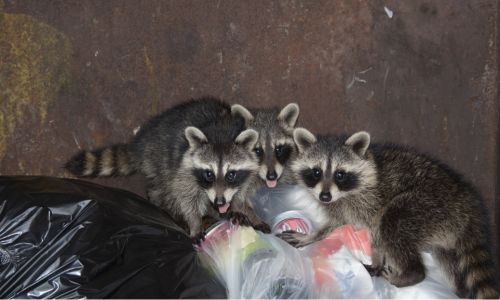
Raccoons are wildlife, so controlling them is not the same as treating an insect infestation.
Wildlife-control decisions can involve state rules and other requirements governing the handling of nuisance animals. The appropriate approach can also depend on where the animal is located, whether young are present and what control method is being considered.
Homeowners should not assume that an animal can simply be trapped and released wherever they choose. If you are dealing with a raccoon inside a structure, professional nuisance wildlife control can help determine an appropriate approach for the situation.
Why DIY Raccoon Removal Can Create More Problems
DIY raccoon control becomes particularly risky when the animal is living inside the structure rather than simply visiting the yard.
Approaching or cornering a raccoon can result in defensive behavior. Attempting to close an opening without understanding how the animal is using it can also trap wildlife inside.
Another common problem is addressing only what is visible. A homeowner may block one damaged vent without realizing there is another access point, or may remove an adult animal without recognizing that young remain in the den.
Repellents, lights and noises may sometimes disturb wildlife, but making an attic unpleasant does not repair the opening that made it accessible.
Professional wildlife control looks at the animal and the structure.
How to Help Prevent Raccoons Around Your Home
Raccoon prevention works best when you reduce both attractants and access.
Secure Food Sources
Keep garbage containers closed securely, avoid leaving pet food outside overnight and clean up food waste that could repeatedly draw raccoons onto the property.
Inspect the Roofline
Look for damaged soffits, loose vents, deteriorated fascia and other exterior openings. Pay particular attention to areas where wildlife activity has occurred before.
Protect Vents and Chimneys
Appropriate screening and chimney protection can eliminate potential access points while allowing those building components to function properly.
Maintain Trees Near the Structure
Branches contacting or overhanging the roof can provide convenient routes toward the structure. Trimming them can reduce easy access, although raccoons are capable climbers and tree trimming should not be treated as a substitute for exclusion.
Address Damage Promptly
A small structural weakness can become a larger wildlife opening. Repairing deteriorated exterior components before an animal establishes a den is much easier than resolving an active infestation.
Homeowners dealing with several possible animal entry points can learn more about Horizon’s broader wildlife control and exclusion services.
Raccoon Control for Homes and Businesses
Raccoon problems are not limited to residential attics.
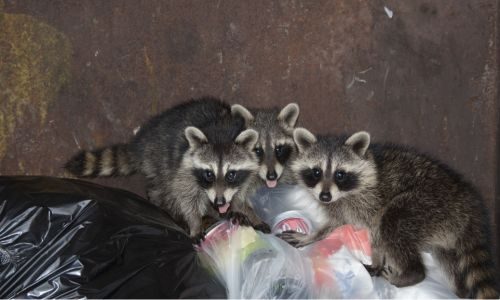
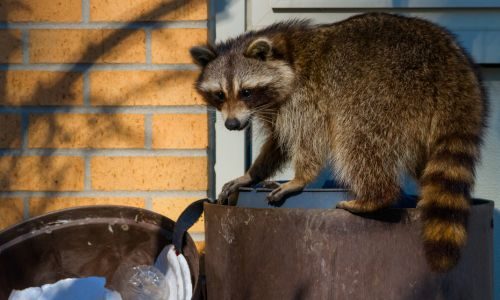
Homes commonly experience denning around attics, chimneys, garages and crawl spaces. Commercial properties may attract raccoons around dumpsters, loading areas, food waste or protected portions of larger structures.
The underlying approach remains similar: determine what is attracting or sheltering the animal, identify access points, address the immediate wildlife activity and reduce the conditions that encourage it to return.
Businesses dealing with recurring wildlife or pest pressure can also explore Horizon’s commercial pest control services.
Raccoon Removal and Exclusion in New Jersey
If you hear heavy movement in the attic at night, discover damage around the roofline or suspect a raccoon has established a den, avoid approaching or cornering the animal.
Horizon Pest Control can inspect the property, identify the source of the activity and recommend the appropriate next step for raccoon control and exclusion.
Contact Horizon Pest Control to schedule an evaluation for a raccoon or other wildlife problem in New Jersey.