
Sentricon Termite Baiting System in New Jersey
A Pest-Free Life Is on the Horizon
Subterranean termites are difficult to control because the termites feeding on a home represent only part of a much larger colony. Workers can travel underground between the colony and multiple food sources, allowing termite activity to continue even when individual insects are killed.
The Sentricon® System takes a different approach. Instead of relying on termites to cross a treated barrier, strategically placed termite bait stations use their natural foraging and food-sharing behavior to spread bait throughout the colony.
Horizon Pest Control is a Certified Sentricon Specialist™ providing Sentricon termite treatment for homes and businesses throughout New Jersey. The system can be used to eliminate an active subterranean termite colony or provide ongoing protection against future termite activity.
Homeowners who are unsure if termites are already present should begin with a professional termite inspection.

What Is the Sentricon System?
Sentricon is an in-ground termite baiting system designed specifically for subterranean termites. Stations containing a bait matrix are installed at strategic locations in the soil around a structure.
The system does not need to lure termites from across the property. Subterranean termite workers are constantly searching for cellulose food sources. During that natural foraging process, they can encounter a Sentricon station and begin feeding.
The bait contains noviflumuron, an active ingredient that interferes with a termite’s ability to molt. Worker termites consume the bait and share it with other colony members through their normal social behaviors. Because termites depend on molting to grow and survive, exposure gradually affects workers, soldiers, reproductives, and ultimately the colony itself.
This colony-level approach is what distinguishes termite baiting from simply killing individual termites found around a structure.
For a broader explanation of termite behavior, warning signs, damage, and treatment options, visit our termite control guide.
How Does Sentricon Eliminate a Termite Colony?
Sentricon works by using termite behavior against the colony.
The process generally follows four stages:
- Termites forage for food. Subterranean termite workers continuously travel through soil searching for cellulose.
- Workers discover the bait stations. Once a station is encountered, termites begin feeding on the bait matrix.
- The active ingredient moves through the colony. Feeding termites share resources and interact with other colony members, distributing noviflumuron beyond the termites that initially found the station.
- The colony can no longer sustain itself. Noviflumuron prevents normal molting, disrupting the workforce and eventually eliminating the colony, including its reproductive members.
This process is intentionally different from a fast-contact insecticide. Sentricon depends on termites remaining alive long enough to continue feeding and interacting with the colony.
That means homeowners should not expect to see every termite disappear immediately after stations are installed. Colony elimination happens over time.

When you encounter termites, the first thing you want is for them to be gone. But what’s the best way of getting rid of termites and preventing them in the future?
How Is the Sentricon System Installed?
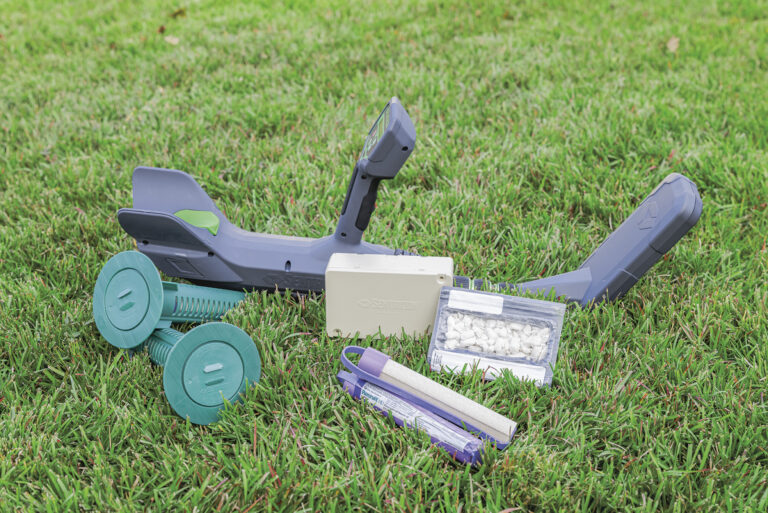
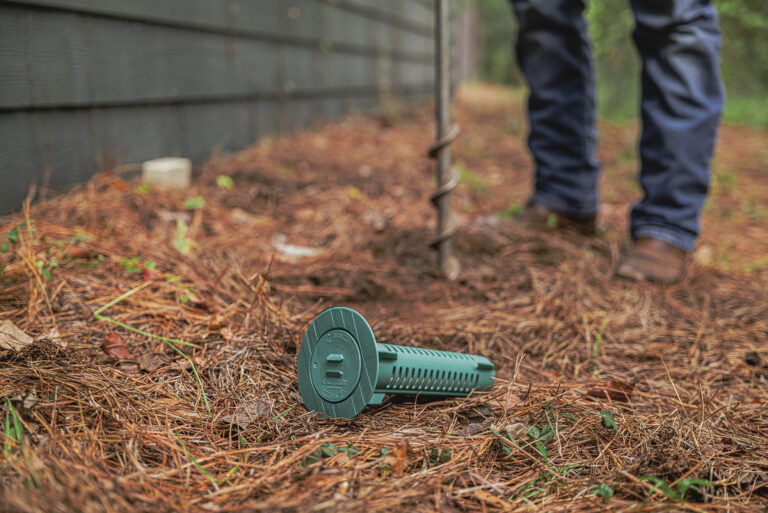
Professional installation begins with an evaluation of the property. A Horizon technician looks for active termites, mud tubes, damaged wood, moisture conditions, previous termite activity, and areas where subterranean termites may gain access to the structure.
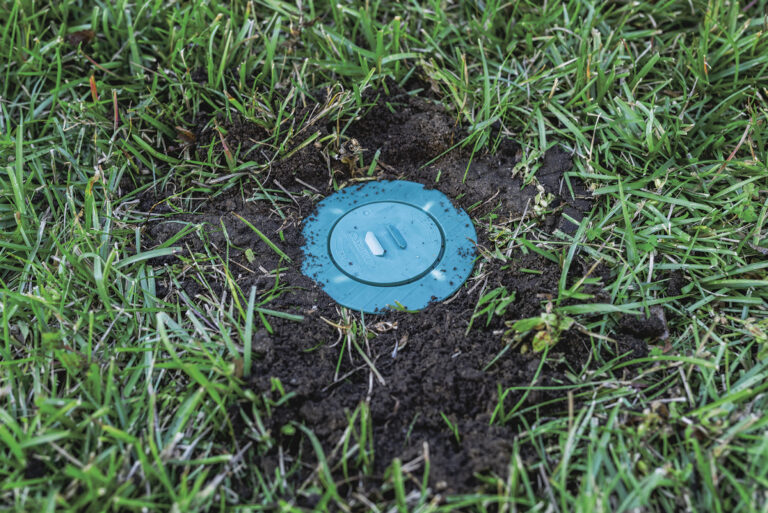
Sentricon stations are then installed in the soil around the building’s perimeter. Because the stations are placed directly into the ground, a standard Sentricon installation generally avoids the extensive trenching, drilling, and soil injection commonly associated with some liquid treatment applications.
Once installed, the stations remain part of the property’s termite protection system.
If active feeding is identified, the system can be managed according to the conditions at the property. Continued professional service is important because the stations need to remain intact and available as termites forage around the structure.
If an inspection has already confirmed an infestation, learn more about the broader termite removal process.
Sentricon vs. Liquid Termite Treatment: What’s the Difference?
Both modern liquid termiticides and termite baiting systems can play a role in professional termite management. The biggest difference is how termites encounter the treatment.
Liquid treatments typically involve applying a termiticide to soil around or beneath parts of the structure. Modern non-repellent products can be transferred among termites after they move through treated areas.
Sentricon places bait in stations around the property. Foraging termites discover the stations, consume the bait, and distribute the active ingredient through normal colony interactions.
Some practical differences include:
- Application: Sentricon uses in-ground stations, while liquid treatments may require trenching, drilling, or treating soil around structural areas.
- Colony exposure: Sentricon relies on termites feeding on bait and sharing it throughout the colony. Liquid treatments rely on termites contacting treated areas.
- Property disruption: Sentricon installation generally requires less disruption to foundations, patios, and landscaping.
- Ongoing protection: Sentricon stations remain in place as part of a professionally serviced termite protection system.
- Treatment selection: Construction, termite activity, moisture, accessibility, previous treatments, and property conditions can all influence the appropriate approach.
There isn’t a responsible one-size-fits-all answer to termite treatment. A professional inspection allows the technician to evaluate the property before recommending a strategy.
Can Sentricon Prevent Termites Before You Have an Infestation?
Yes. Sentricon isn’t limited to properties with confirmed termite activity.
Because stations remain available around the structure, the system can provide ongoing protection against subterranean termite colonies that may forage onto the property in the future.
This is especially valuable because termite colonies can exist underground without producing obvious signs inside a home. A property can appear termite-free while termites are active elsewhere in the surrounding soil.
Preventative termite protection may be worth considering for properties with:
- Previous termite activity
- Wooded surroundings
- Moist soil or drainage problems
- Crawl spaces
- Wood-to-soil contact
- A history of termite problems in the area
Homeowners interested in combining termite protection with broader household pest management can also explore Horizon’s pest control programs.

Benefits of Sentricon Termite Bait Stations
Sentricon offers several advantages for homeowners who want ongoing subterranean termite protection.
Targets the Colony
The objective is not simply to kill termites found near the house. Bait is shared through the colony so the population responsible for the infestation is eliminated.
Minimal Property Disruption
Stations are installed directly into the soil. Standard installation does not require creating a continuous liquid-treated zone around the foundation.
Active and Preventative Protection
The same system can address an existing subterranean termite colony and remain in place to protect against future activity.
Uses a Small Amount of Active Ingredient
The bait is contained within strategically placed stations rather than broadly applied across the property.
Designed Around Termite Biology
Sentricon takes advantage of natural termite foraging, feeding, and colony-sharing behavior rather than simply treating the insects homeowners happen to see.
How Long Does Sentricon Take to Eliminate Termites?
Termite baiting is a colony elimination process, not an instant knockdown treatment.
Horizon advises that once active feeding begins, colony elimination may occur in approximately 90 days depending on colony size and activity. Actual timelines can vary significantly. Some situations may require several months or longer, which is why ongoing monitoring and leaving the treatment system undisturbed are important.
Homeowners should also remember that eliminating an existing colony and protecting a property against future colonies are two different goals. Once the original colony is gone, maintaining the stations provides continued protection against new subterranean termites that may eventually forage near the structure.
What Happens After a Termite Colony Is Eliminated?
Removing the current colony doesn’t make the surrounding environment permanently termite-free. Subterranean termites naturally occur throughout New Jersey, and other colonies may eventually forage onto the property.
That’s why Sentricon stations remain in place after colony elimination.
Continued professional service allows the system to remain ready for future termite activity. Homeowners can also reduce conducive conditions by correcting leaks, improving drainage, removing unnecessary wood-to-soil contact, and keeping wood debris away from the foundation.
Our residential pest control services can provide additional protection against other pest pressures affecting New Jersey homes.
Sentricon Termite Protection from Horizon Pest Control
Successful termite management begins with understanding what’s happening beneath and around your property. Horizon Pest Control combines professional termite inspections with Sentricon technology to develop a termite protection strategy based on the conditions at your home or business.
As a Certified Sentricon Specialist, Horizon can inspect the property, install the system correctly, monitor termite activity, and maintain the stations as part of an ongoing protection plan.
Think you have termites, or want to protect your property before they arrive? Contact Horizon Pest Control to schedule a termite evaluation and learn if the Sentricon System is right for your property.
Frequently Asked Questions
How long does Sentricon take to kill a termite colony?
Once termites actively feed on the bait, Horizon advises that colony elimination may occur in approximately 90 days depending on the colony’s size and activity. Some infestations can take longer. Termite baiting works gradually because worker termites need time to consume the bait and distribute its active ingredient throughout the colony.
Does Sentricon attract termites to my house?
No. Sentricon stations do not draw termites toward a home from elsewhere. Subterranean termites naturally forage through soil looking for cellulose food sources. The system works when those foraging termites encounter a station and begin feeding on its bait.
Is Sentricon better than liquid termite treatment?
Both baiting systems and modern liquid termiticides can be effective when professionally applied. Sentricon provides colony-focused baiting with relatively little disruption to the property, while liquid treatments work by creating treated areas that termites encounter. The best option depends on the structure, infestation, accessibility, and other site conditions.
How often do Sentricon termite stations need to be checked?
Sentricon Always Active label directions permit professional servicing as infrequently as once per year, although a Certified Sentricon Specialist may inspect or service stations more frequently based on the property and treatment plan. Homeowners should avoid opening, moving, or disturbing the stations themselves.
Can Sentricon protect a home that doesn't currently have termites?
Yes. Sentricon can be installed preventatively even when an active infestation has not been found. Stations remain around the structure so future subterranean termite colonies can encounter the bait during normal foraging, providing ongoing protection as long as the system is properly maintained.