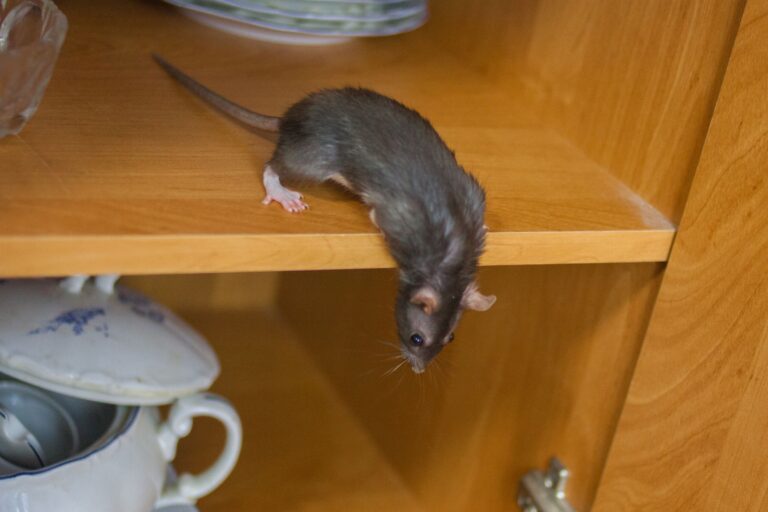


Rats are one of the most concerning pest issues for homeowners and businesses in New Jersey. Unlike smaller rodents, rats are highly destructive, quick to spread, and capable of causing serious health and property risks if left untreated.
Because they are primarily nocturnal and tend to stay hidden, infestations often grow before they are fully noticed. Understanding the early signs and knowing how to respond can make a major difference in how quickly the problem is resolved.
Why Rats Are a Serious Problem
Rats are not just unpleasant to encounter. They create real risks inside a property.
Health Risks
- Spread bacteria through droppings and urine
- Contaminate food and surfaces
- Can carry diseases harmful to humans
Property Damage
- Chew through wiring, increasing fire risk
- Damage insulation, wood, and drywall
- Destroy stored items and food packaging
Behavioral Risks
- Can become aggressive if cornered
- Live in groups, meaning infestations grow quickly
- Travel through walls, ceilings, and hidden spaces
Even a small rat problem can escalate rapidly if not addressed early.
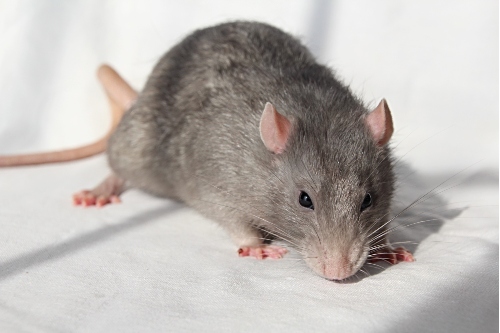
Signs of a Rat Infestation
In most cases, you will notice evidence of rats before actually seeing one.
Common signs include:
- Droppings that are dark and pellet-shaped
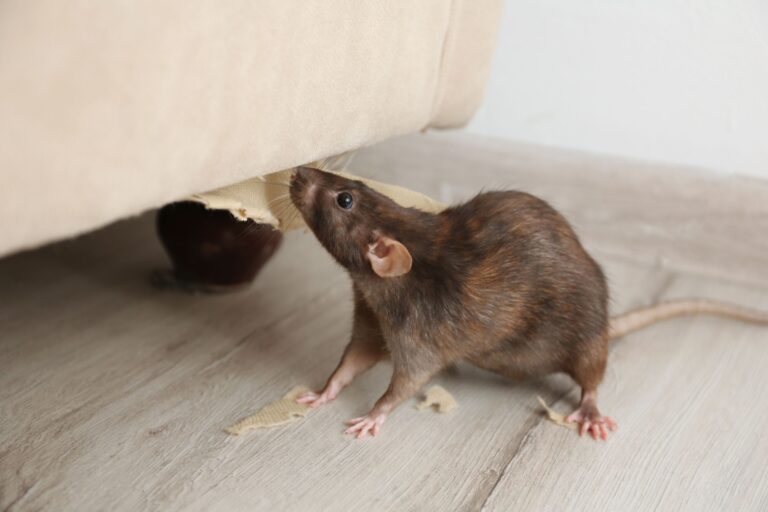
- Gnaw marks on food containers, wood, or wires
- Scratching or movement sounds, especially at night
- Nests made from shredded materials
- Grease or urine marks along walls and pathways
- Missing or disturbed food sources
If any of these signs are present, there is likely active rat activity in your home.
Where Rats Hide in Homes and Buildings
Rats look for areas that provide shelter, warmth, and easy access to food.
Typical hiding spots include:
- Walls and ceilings
- Basements and crawl spaces
- Attics
- Behind appliances
- Near food storage areas
They often travel along the same paths repeatedly, which is why consistent signs tend to appear in specific areas.
What Attracts Rats to Your Property
Rats are drawn to environments that make survival easy.
Common attractants include:
- Accessible food sources, including trash or pet food
- Water from leaks or standing moisture
- Cluttered or undisturbed areas
- Gaps or openings that allow easy entry
Even clean homes can experience infestations, especially if nearby construction or environmental changes displace rat populations.
Properties dealing with multiple pest pressures may benefit from a broader evaluation through pest control services.
How Professional Rat Control Works
Effective rat control requires a combination of removal and prevention.
Step 1: Inspection
A technician will:
- Identify entry points
- Locate nesting areas
- Assess the size and scope of the infestation
Step 2: Targeted Removal
Depending on the situation:
- Strategic trapping
- Baiting systems where appropriate
- Monitoring high-activity zones
Step 3: Exclusion & Sealing Entry Points
This is one of the most important steps:
- Closing gaps and openings
- Reinforcing vulnerable areas
- Preventing new rats from entering
Step 4: Ongoing Monitoring
Rats are persistent, so continued monitoring is often necessary.
Many property owners rely on ongoing pest control programs to maintain long-term protection.
Commercial Rat Solutions

Residential Rat Solutions

Why DIY Rat Control Often Doesn’t Work
Store-bought traps and deterrents can help temporarily, but they rarely solve the root problem.
Common issues with DIY approaches:
- Missing hidden nesting areas
- Not addressing entry points
- Underestimating the number of rats
- Short-term results with recurring activity
For more complete solutions, combining removal with rodent control services is often more effective.
How to Prevent Rats in the Future
Preventing rats starts with limiting access and reducing attractants.
Key prevention tips:
- Seal cracks and openings around your home
- Store food in airtight containers
- Fix leaks and eliminate moisture
- Keep trash sealed and secure
- Reduce clutter in storage areas
For long-term protection, many homeowners also explore residential pest control services.

Rats in Residential vs Commercial Properties
Rat infestations can affect both homes and businesses differently.
Residential properties:
- Food contamination
- Structural damage
- Noise and disruption
Commercial properties:
- Health code violations
- Product loss
- Reputation damage
Businesses often require more comprehensive solutions like commercial pest control.
When to Call a Professional for Rats
You should take action immediately if:
- You see a rat inside your home
- You notice droppings or damage
- You hear activity in walls or ceilings
- DIY methods are not working
- The issue keeps returning
Rat infestations rarely resolve on their own and tend to grow over time.
If you suspect rat activity, the next step is to contact us for an inspection and treatment plan.
Professional Rat Control in New Jersey
Rats are persistent and can cause serious damage if left untreated. Acting early helps protect your home, your health, and your property.
For a full inspection and effective removal plan, contact us today.