

Birds around your property may seem harmless at first, but when they begin roosting or nesting on your home or building, the situation can escalate quickly. What starts as a few birds on a roofline can turn into a larger infestation that impacts cleanliness, safety, and even property value.
Understanding how bird problems develop and how they are properly handled can help you take action before the issue grows.
Why Bird Activity Turns Into a Bigger Problem
Birds are creatures of habit. Once they find a safe place to land, nest, and feed, they will return repeatedly and often bring others with them.
Over time, this leads to:
- Heavy droppings buildup on surfaces and walkways
- Damage to roofing, vents, and structural elements
- Blocked drainage systems like gutters
- Increased presence of insects and parasites
The longer birds remain undisturbed, the more difficult removal becomes.
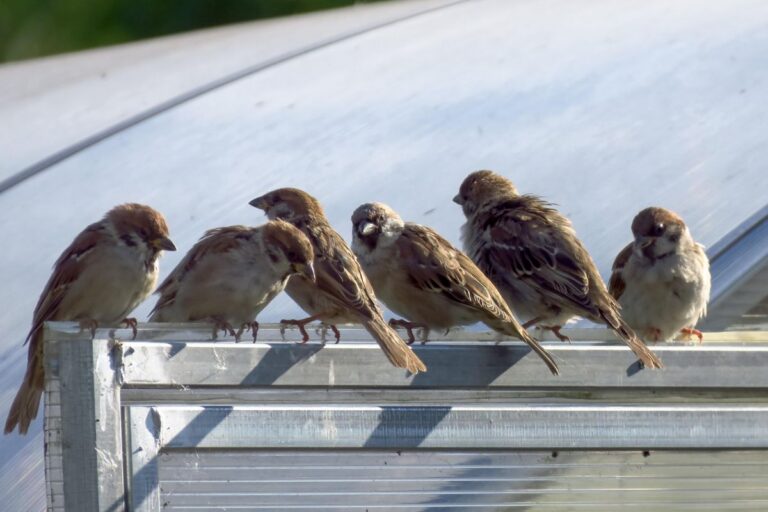
Where Birds Commonly Nest on Properties
Bird infestations are often tied to specific areas of a structure. In New Jersey, birds tend to settle in places that offer elevation, shelter, and protection from weather.
Common nesting and roosting areas include:
- Rooflines and eaves
- Attics and vents
- Signage and ledges
- Chimneys and exhaust systems
- Solar panels and mechanical units
If these areas are left unprotected, they can quickly become long-term nesting sites.
Common Nuisance Birds in New Jersey
Different bird species behave differently, which is why proper identification matters.
The most common nuisance birds include:
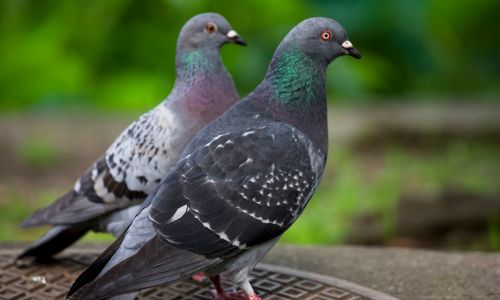
- Pigeons – Known for large group nesting and heavy droppings
- House sparrows – Build nests in small gaps and vents
- Starlings – Aggressive nesters that displace other species
- Seagulls – Often found near commercial areas and rooftops
- Woodpeckers – Can damage siding and wood structures
Each species requires a slightly different approach to ensure effective removal and prevention.
How Bird Removal Actually Works
Bird control is not about simply scaring birds away. Effective solutions focus on removal, exclusion, and long-term prevention.
Step 1: Property Inspection
A technician evaluates:
- Nesting locations
- Species behavior
- Entry points and structural vulnerabilities
Step 2: Removal & Nest Management
Depending on the situation, this may involve:
- Safe removal of nests where permitted
- Relocation strategies
- Reducing active roosting areas
Step 3: Installing Deterrents
This is the most critical step for long-term success. Solutions may include:
- Bird spikes or angled ledges
- Netting systems for enclosed areas
- Electrical or wire deterrent systems
- Surface modifications to prevent landing
Step 4: Cleanup & Sanitation
After removal, addressing contamination is essential:
- Dropping removal
- Surface sanitation
- Odor control
- Treatment for mites or insects
For continued protection, many property owners rely on ongoing pest control programs to monitor and prevent recurring activity.
Signs You May Have a Bird Infestation
Bird problems often develop gradually. Catching them early can prevent more serious issues.
Look for:
- Repeated bird presence in the same area
- Visible nesting materials
- Droppings accumulating quickly
- Noise from roosting or movement
- Damage near vents, roofs, or ledges
If you’re unsure how severe the issue is, exploring residential pest control services can help determine the next steps.
Why DIY Bird Control Often Falls Short
Many homeowners attempt quick fixes like noise devices or visual deterrents. While these may work temporarily, birds typically adapt.
Common DIY challenges include:
- Birds returning after short periods
- Incomplete removal of nests
- Lack of proper exclusion methods
- Missed entry points or landing zones
Effective bird control requires a combination of behavioral understanding and physical prevention methods, not just temporary deterrents.
Commercial Bird Solutions
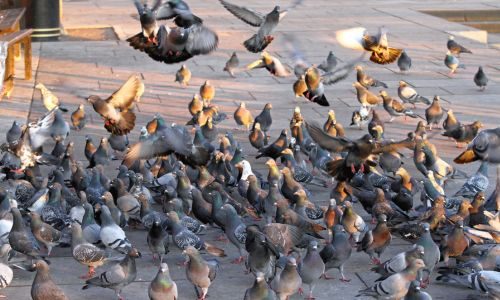
Commercial pest solutions are essential for businesses to maintain a clean and safe environment for their employees and customers. Bird infestations can cause significant damage to structures, contaminate products, and pose health risks. Commercial pest control services provide effective solutions to eliminate birds from commercial premises. These services include regular inspections, customized treatment plans, and ongoing monitoring to ensure long-term pest management. Investing in commercial pest solutions not only protects businesses from potential financial losses but also preserves their reputation and ensures a healthy working environment.
Don’t let birds harm your business – contact Horizon Pest Control today for all your commercial pest control needs!
Residential Bird Solutions
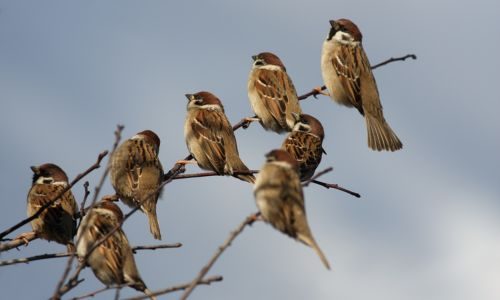
Residential pest solutions are essential for maintaining a clean and safe living environment. Bird infestations can cause property damage, spread diseases, and create an overall unpleasant living situation. Hiring professional residential pest control services can effectively eliminate and prevent the presence of birds in your home. These solutions involve inspections, treatment plans, and ongoing prevention measures to ensure a pest-free home. By investing in residential pest solutions, homeowners can protect their property and ensure the well-being of their family members.
Don’t let birds harm your home – contact Horizon Pest Control today for all your residential pest control needs!
Preventing Birds from Returning
Once birds are removed, keeping them away becomes the priority.
Key prevention strategies include:
- Sealing gaps and entry points
- Installing long-term deterrent systems
- Reducing access to food and water sources
- Maintaining clean exterior spaces
- Scheduling periodic inspections
Combining these steps with broader pest control services can help ensure your property stays protected year-round.
Bird Control for Homes vs Commercial Properties
Bird infestations affect different types of properties in different ways.
For homeowners:
- Damage to roofs and siding
- Mess and odors around entryways
- Disruption of outdoor spaces
For commercial properties:
- Negative customer perception
- Health and safety concerns
- Structural damage to equipment and signage
Each situation requires a tailored solution based on the layout and level of activity.
When to Take Action
You don’t need to wait for a major infestation to act.
It’s time to address bird activity when:
- Birds are nesting on your property
- Droppings are becoming noticeable
- You see repeated daily activity
- Damage or blockages begin to appear
Early intervention is always more effective and less costly.
If bird activity is becoming a concern, the next step is to contact us to schedule an inspection and get a plan in place.
Professional Bird Control in New Jersey
Bird infestations can quickly move from a minor nuisance to a larger property issue. Addressing the problem early helps protect your building, reduce health risks, and prevent ongoing damage.
For a professional evaluation and customized bird control plan, contact us today.