

Wildlife belongs outdoors, but New Jersey homes can provide animals with many of the same things they search for in nature: warmth, shelter, food, and a protected place to raise their young.
Raccoons, squirrels, bats, and other nuisance wildlife can enter through surprisingly small vulnerabilities around roofs, soffits, vents, chimneys, foundations, and other parts of a structure. Once inside, animals may damage insulation, wiring, ductwork, roofing materials, and other building components while leaving behind nesting material, urine, and droppings.
Solving the problem requires more than getting an animal out of the house. Effective wildlife control in New Jersey means identifying the species, determining how and why it entered, following the appropriate removal or exclusion process, and addressing vulnerable areas that could allow wildlife back inside.
Horizon Pest Control provides professional wildlife inspection, control, and exclusion for homes and businesses throughout New Jersey.
Common Nuisance Wildlife in New Jersey
Different animals seek out different areas of a property. Identifying what you’re dealing with helps determine where technicians should inspect and how the problem can be addressed.
Raccoons
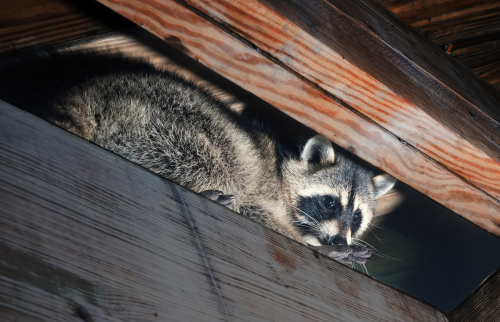
Raccoons are strong, adaptable animals that can exploit damaged soffits, roof openings, chimneys, and other structural weaknesses. Attics provide particularly attractive shelter because they are warm, dry, and protected from predators.
A raccoon in an attic can disturb insulation, damage building materials, and contaminate areas with waste. Activity can become especially concerning when a female is using the structure as a den for young.
Learn more about professional raccoon control.
Squirrels
Squirrels are excellent climbers and frequently reach homes from trees, utility lines, fences, and nearby structures. Once on the roof, damaged fascia, soffits, vents, or existing gaps can provide access to an attic.
Because squirrels naturally gnaw, an animal inside can damage wood, insulation, and electrical wiring while enlarging openings around the structure.
Learn more about squirrel removal and control.
Bats
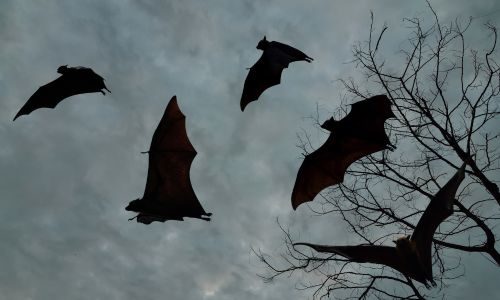
Bats don’t need a large hole to enter a structure. Small gaps around rooflines, fascia, vents, siding, and other exterior joints may provide access to attics and wall spaces where bats can establish roosts.
Bat control is different from ordinary wildlife removal. New Jersey bats are protected, and exclusion must be performed using appropriate methods and during permitted seasonal periods. If you suspect bats are living in your home, avoid sealing openings until the situation has been professionally evaluated.
Learn more about bat control and exclusion.
Other Nuisance Wildlife
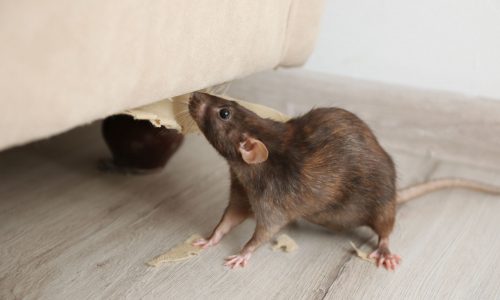
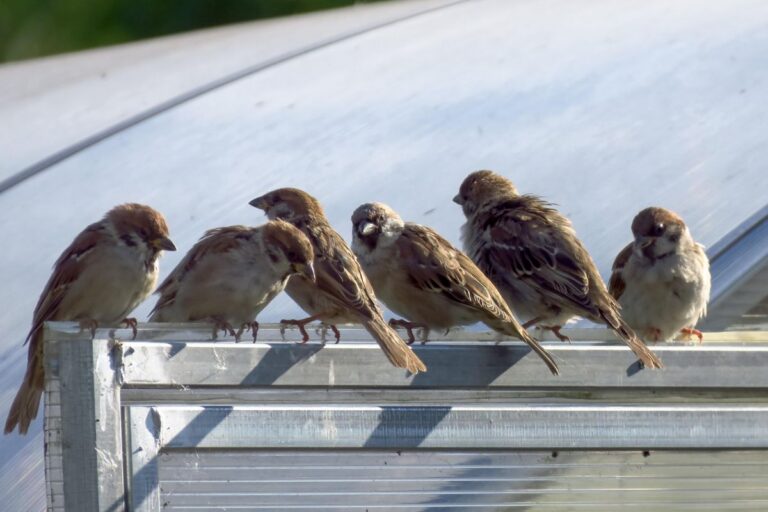
New Jersey properties may also experience problems involving skunks, opossums, groundhogs, birds, and other wildlife.
These animals may shelter beneath decks and sheds, enter crawl spaces and garages, damage landscaping, or create problems around commercial properties.
Because wildlife species are subject to different rules and require different control strategies, proper identification should always come before removal.
When Is Wildlife Most Likely to Enter a New Jersey Home?
Wildlife problems can occur throughout the year, but the reason an animal enters a property often changes with the season.
Spring
Spring is an important reproductive period for many wildlife species. Animals may seek protected spaces to give birth or raise young. Attics, chimneys, sheds, and areas beneath structures can provide shelter from weather and predators.
This also means technicians need to consider whether dependent young are present before beginning a removal or exclusion strategy.
Summer
Wildlife remains active during summer as animals forage for food and care for young. Homeowners may notice increased activity around gardens, garbage, bird feeders, decks, rooflines, and other outdoor areas.
Bat colonies can also be raising flightless pups during summer, which is one reason bat exclusion has specific seasonal restrictions in New Jersey.
Fall
As temperatures begin falling, animals increasingly search for reliable shelter. Squirrels and other wildlife may investigate attics, garages, sheds, and structural openings that provide protection from winter conditions.
Fall is also an excellent time to identify and repair vulnerable exterior areas before cold weather increases pressure on the structure.
Winter
Warm attics, wall voids, crawl spaces, and other protected areas become especially valuable during cold New Jersey winters. Once an animal establishes a sheltered location, it may remain there unless the access point and underlying problem are addressed.
How Does Wildlife Get Into a House?
Wildlife rarely needs an obvious opening such as an open door.
Animals repeatedly investigate structures and can exploit existing construction gaps or damaged building materials. Some species are also capable of enlarging vulnerable areas once they find them.
Common wildlife entry points include:
- Roof and soffit gaps
- Damaged fascia
- Unscreened attic vents
- Chimneys without appropriate caps
- Openings around roof intersections
- Damaged siding
- Foundation and crawl-space openings
- Gaps beneath decks, porches, and sheds
- Open or damaged garage areas
Trees and vegetation can also make access easier. Overhanging branches may provide squirrels and other climbing animals with a direct route to the roof.
Homeowners can explore many common structural weak points using Horizon’s interactive Wildlife Vulnerability Map.

Signs You May Have Wildlife in Your Home
Animals can remain concealed inside a structure, particularly when they occupy an attic, chimney, crawl space, or wall void.
Watch for:
- Scratching, scurrying, or thumping noises
- Sounds that occur primarily at night or early in the morning
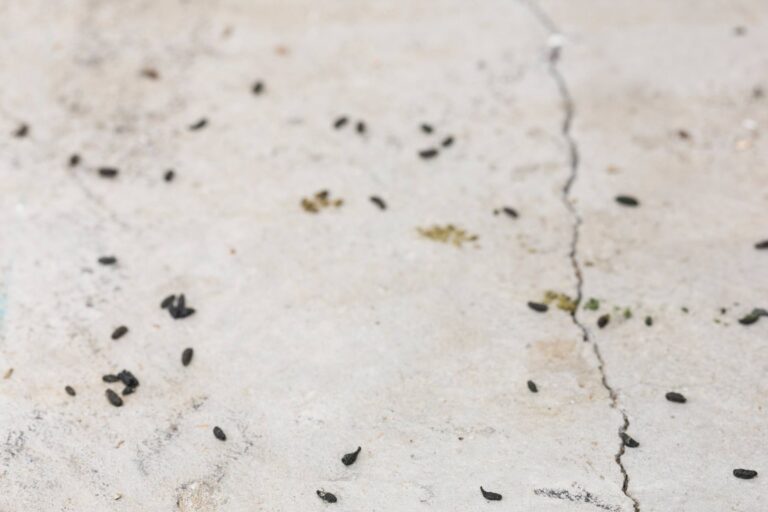
- Droppings or urine staining
- Strong or unusual odors
- Disturbed or compressed insulation
- Damaged vents, soffits, or roof materials
- Gnaw marks
- Nesting material
- Animals repeatedly entering or leaving the same area
The timing of noises can sometimes provide clues. Squirrels are generally active during the day, for example, while raccoons and bats are more likely to produce noticeable activity after dark.
A professional inspection can distinguish between species and identify access points that may not be obvious from ground level.
Commercial Wildlife Solutions
Residential Wildlife Solutions
How Professional Wildlife Control Works
Getting the animal out is only one part of resolving a wildlife problem. A complete approach considers the animal, the building, and the conditions that allowed the intrusion.
1. Identify the Animal
Technicians inspect the structure and look for tracks, droppings, nesting material, damage, noises, entry patterns, and other evidence that can help identify the species.
Correct identification matters because a squirrel, raccoon, and bat cannot simply be handled in the same way.
2. Locate Entry and Exit Points
The next step is determining how the animal is using the building.
Technicians may inspect:
- Rooflines
- Soffits and fascia
- Chimneys
- Attic and roof vents
- Foundations
- Crawl spaces
- Exterior penetrations
- Attics and other interior areas
Finding the primary opening is important, but the inspection should also identify secondary vulnerabilities that another animal could exploit later.
3. Develop the Appropriate Control Strategy
The appropriate method depends on the species, location, time of year, presence of young, property conditions, and applicable wildlife regulations.
Depending on the situation, control may involve trapping or exclusion techniques that allow animals to leave without regaining access.
The objective is to resolve the wildlife problem without creating another one elsewhere in the structure.
4. Exclude Wildlife From the Structure
This is where long-term wildlife control differs from simply removing an animal.
If a raccoon or squirrel is removed but the opening remains, the same animal or another one may eventually use it again.
Wildlife exclusion may include:
- Closing entry holes
- Reinforcing vulnerable roofline areas
- Screening vents
- Installing appropriate chimney caps
- Repairing or sealing structural gaps
- Protecting other likely access points
Horizon offers wildlife exclusion and proofing designed to address the vulnerabilities that make repeat intrusion possible.
What Happens After Wildlife Is Removed?
Homeowners understandably focus on getting the animal out, but what happens afterward can be just as important.
Once wildlife activity has been resolved, the property should be evaluated for damage, contamination, and remaining access points.
Depending on the infestation, this may include assessing:
- Damaged or displaced insulation
- Chewed wiring or building materials
- Contaminated areas
- Nesting material
- Damaged vents or soffits
- Openings that require repair or exclusion
Wildlife also leaves scent and evidence behind. If structural vulnerabilities remain, another animal may discover the same protected space.
Long-term prevention therefore focuses on repairing access points and reducing conditions that make the property attractive in the first place.
Wildlife Removal and New Jersey Regulations
Wildlife control isn’t simply a matter of trapping an animal and releasing it somewhere else.
New Jersey has rules governing the control, handling, and relocation of wildlife, and the appropriate approach varies by species and circumstances. Certain nuisance species causing property damage may be controlled through lawful methods, while protected wildlife requires different procedures.
Seasonality matters as well. During spring and summer, dependent young may be present and need to be considered as part of the control strategy.
Bats require particular care, for example. New Jersey establishes specific safe periods for excluding bats from buildings so that flightless young or hibernating animals are not trapped inside. Bat exclusion should therefore be planned around both the structure and the time of year.
These considerations are one of the most important reasons to have wildlife professionally identified before attempting to trap, relocate, or seal an animal out of a building.
Why You Shouldn’t Seal an Entry Hole While an Animal Is Inside
Finding a hole in your roof or soffit and immediately sealing it may seem like the obvious solution. Unfortunately, doing so before determining whether an animal is still inside can make the problem worse.
A trapped animal may:
- Damage other areas while attempting to escape
- Enter living spaces
- Create additional structural damage
- Die inside an inaccessible area
- Leave dependent young behind
Professional exclusion is performed in the correct sequence. The animal must first be accounted for or provided an appropriate way to leave before final access points are secured.
This is particularly important when young animals or bats may be present.
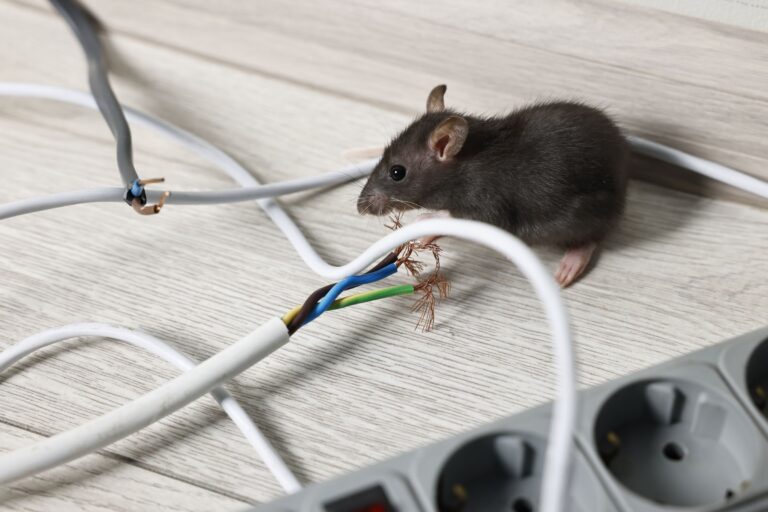
How to Make Your Property Less Attractive to Wildlife
Not every wildlife encounter can be prevented, but reducing food and shelter opportunities can make a property less inviting.
Homeowners can:
- Secure garbage in tightly closed containers
- Avoid leaving pet food outdoors
- Address damaged roof and soffit materials
- Install appropriate vent screens and chimney protection
- Trim branches that provide easy roof access
- Repair openings beneath decks and structures where appropriate
- Keep garages and sheds secured
- Inspect the exterior periodically for new damage
Preventative maintenance is especially useful before seasonal changes encourage animals to search for new shelter.
Residential and Commercial Wildlife Control
Wildlife can create problems for houses, apartment properties, restaurants, offices, warehouses, schools, and other commercial facilities.
Residential wildlife control often focuses on attics, chimneys, crawl spaces, decks, and rooflines. Commercial properties may face additional concerns involving sanitation, customer areas, equipment, loading areas, rooftops, or large structural access points.
Horizon provides both residential pest control and commercial pest control solutions based on the type of property and wildlife activity present.
When Should You Call a Wildlife Control Professional?
Professional evaluation is especially important when:
- You hear animals inside walls, ceilings, or an attic
- Wildlife repeatedly enters or exits the same opening
- You discover droppings or nesting material
- A raccoon, squirrel, or bat has entered the structure
- Young animals may be present
- Wildlife has damaged the roof, vents, or soffits
- You aren’t sure which animal is inside
- A previous removal attempt didn’t solve the problem
The earlier the entry point is identified, the better the opportunity to address it before additional damage occurs.
Professional Wildlife Control in New Jersey
Removing nuisance wildlife is only successful when the underlying access problem is addressed as well.
Horizon Pest Control provides professional wildlife control for New Jersey homes and businesses, including inspection, species identification, trapping or exclusion where appropriate, and recommendations for long-term structural protection.
If you’re hearing noises in your attic, seeing animals enter your home, or have discovered wildlife damage, don’t wait for the problem to become more extensive.
Contact Horizon Pest Control to schedule a professional wildlife inspection in New Jersey.