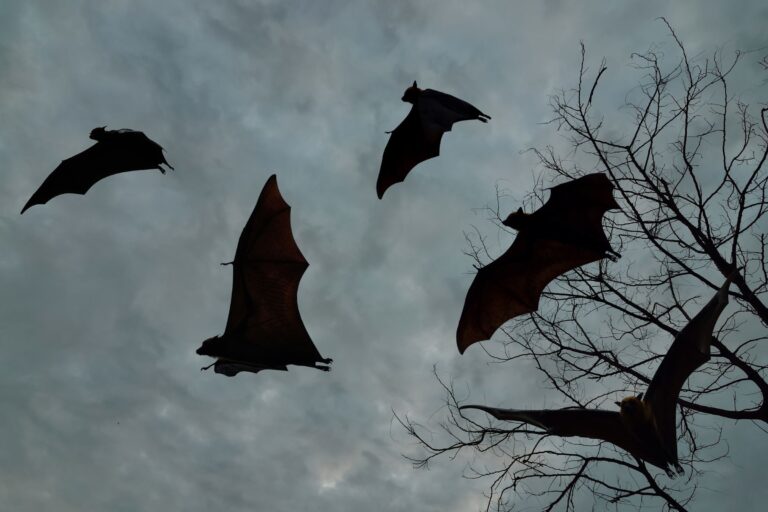


Bats are a common part of the ecosystem in New Jersey, but when they move into your home, they can quickly become a serious concern. Most bat problems begin when colonies find their way into attics, wall voids, or rooflines in search of warmth and shelter.
If you’re hearing noises at night or noticing signs of bat activity, it’s important to understand what you’re dealing with and how to handle it safely. This guide explains why bats enter homes, the risks involved, and how professional bat removal works.
Why Bats Enter Homes in New Jersey
Bats are drawn to structures that provide the same conditions as their natural habitats. Attics and roof spaces are especially attractive because they are:
- Warm and insulated
- Dark and undisturbed
- Safe from predators
- Close to food sources like insects
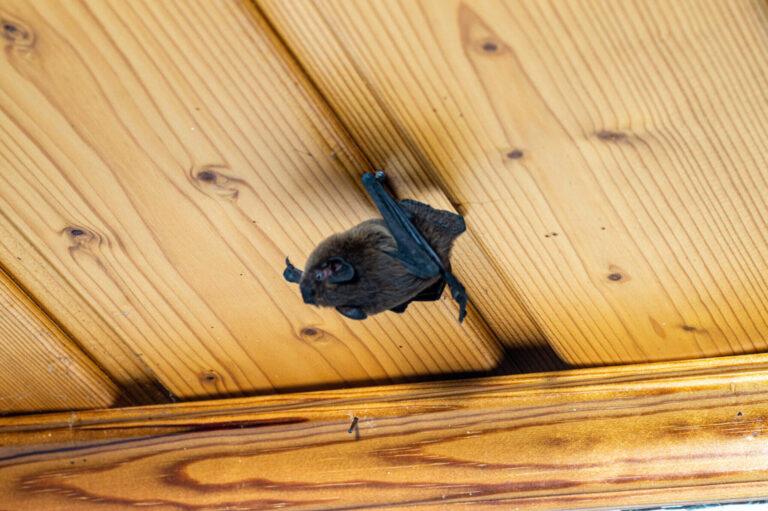
Even very small openings can allow bats to enter. They are capable of squeezing through gaps as small as half an inch, often accessing homes through vents, soffits, or rooflines.
Are Bats Dangerous?
While bats are beneficial for controlling insect populations, they can pose risks when they live inside your home.
Health Concerns
- Potential exposure to rabies
- Guano (bat droppings) can grow fungus linked to respiratory issues
- Accumulated waste can affect indoor air quality
Property Damage
- Droppings and urine buildup in attics
- Staining and odor issues
- Contaminated insulation
- Long-term structural concerns if left untreated
Bats typically avoid humans, but their presence indoors should always be addressed promptly.
Signs You May Have Bats in Your Home
Bat infestations are often hidden, but there are several clear warning signs:
- Scratching or fluttering sounds at night
- Small droppings (guano) in attics or near entry points
- Dark staining around vents or rooflines
- Bats seen flying near your home at dusk
- Strong, musty odors from attic spaces
If you notice these signs, early action can help prevent a larger colony from forming.
How Professional Bat Removal Works
Bat removal is not the same as standard pest control. Because many bat species are protected, the process must be handled carefully and humanely.
1. Detailed Inspection
A technician will inspect your home to:
- Identify entry points
- Locate roosting areas
- Determine the size of the colony
2. Bat Exclusion (Primary Method)
The most effective and widely used method is exclusion, not trapping.
This involves:
- Installing one-way exit devices
- Allowing bats to leave safely at night
- Preventing them from re-entering
3. Sealing Entry Points
Once all bats have exited, the next step is critical:
- Sealing gaps, cracks, and openings
- Reinforcing vents, soffits, and rooflines
- Installing protective barriers where needed
Without this step, bats will return.
4. Cleanup & Restoration
Depending on the severity of the infestation, cleanup may include:
- Removal of guano and contaminated materials
- Odor control and sanitation
- Recommendations for long-term prevention
For continued protection, homeowners often pair this with ongoing pest control programs to monitor and maintain their property.
Commercial Bat Solutions

Residential Bat Solutions

Bat Control for Homes and Businesses
Bat issues can affect both residential and commercial properties.
For homeowners:
- Attic infestations
- Noise and odor concerns
- Health risks from droppings
For businesses:
- Sanitation and compliance concerns
- Customer perception issues
- Structural and operational disruptions
Each property requires a customized approach based on structure and severity.
Can You Remove Bats Yourself?
In most cases, DIY bat removal is not recommended.
- Many bat species are legally protected
- Improper removal can harm the animals or worsen the problem
- Sealing entry points too early can trap bats inside
- Safety risks increase without proper equipment
Professional removal ensures the issue is handled safely, legally, and effectively.
How to Prevent Bats from Returning
Preventing future infestations starts with making your home less accessible.
Key prevention steps include:
- Sealing gaps along rooflines and siding
- Installing vent and chimney covers
- Reducing exterior lighting that attracts insects
- Maintaining your roof and attic structure
If you’re unsure where vulnerabilities exist, a professional inspection can help identify risk areas. Broader residential pest control services can also support long-term prevention.
When to Call a Professional for Bat Removal
You should seek professional help if:
- You hear nighttime activity in your attic
- You see bats entering or exiting your home
- You notice droppings or strong odors
- You suspect a colony is forming
Bat infestations can grow quickly, and early intervention is key to minimizing damage.
If you believe bats are present in your home, the safest next step is to schedule an inspection and discuss your options.
Safe & Effective Bat Removal in New Jersey
Bats play an important role in the environment, but they should not be living inside your home. Addressing the issue early helps protect your property, your health, and prevents larger infestations.
For a professional evaluation and safe removal plan, contact us today.